Body Matters
What is Somatics?
The Regenerative Body
We all have the innate intelligence to be self-aware, to self-monitor and self-repair due to our wonderful regenerative capacity. However, there have been many opportunities during our upbringing, schooling, the media, and dominance of big pharma where we have been continually bombarded with messages to the contrary.
We have come to learn, from some warriors of health, that the way we function is dependent upon Bioenergy, Biochemistry and Biomechanics. All 3 functions should interact dynamically and inseparably with each other as the body strives for synchronisation at all functional levels to remain in HEALTH.
In contrast to a machine, it continuously recreates itself, it reacts and responds with various patterns to its internal and external environment, it self-regulates and can re-organise itself.

‘Can you remember who you were before the world told you who you should be?’
What is Somatics?
Somatics is a series of carefully thought out movements, based on early development, that help us to unlearn old patterns held (to our detriment) and to remember what has been forgotten in order to reset.
Somatics is not just about the gentle movements, however, it is about the person’s interoceptive experience of the movement, with their full conscious attention, in order to make changes in the sensory-motor areas of the brain and body.
There needs to be a move towards taking back responsibility for ourselves in terms of our health. Somatics helps us to go inward, to centre, to release our social conditioning held within, to remain in full and natural health.
Over time, through our choices and how we respond to the stresses and toxins of the world around us, we habituate certain reflex patterns that cause tension, inflammation, and pain, both physically and emotionally.
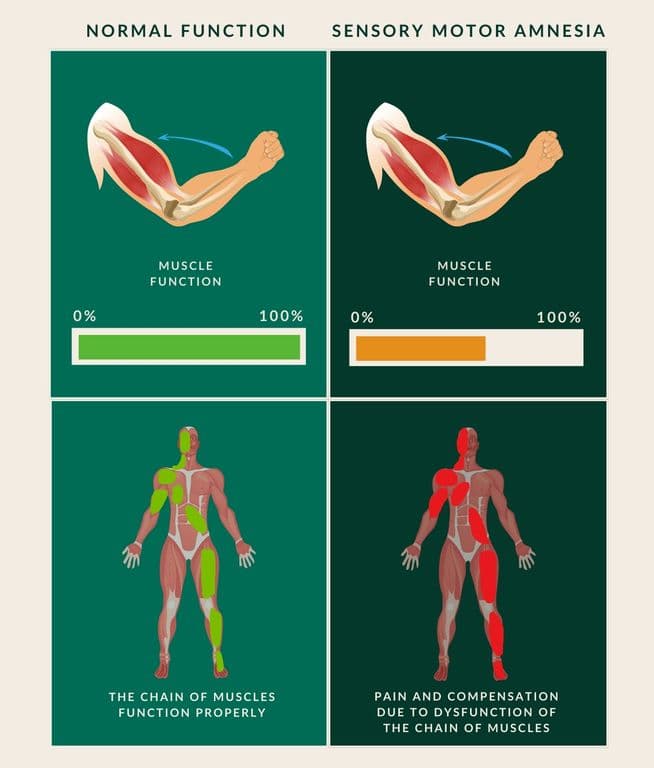
We forget how certain muscle groups function and how we control them, to move in an efficient way. In the world of Somatics this is known as sensory motor amnesia (SMA).
The movements are designed to release all parts of the centre of the body and the periphery – to act as a reset after our daily interface with the world around us.
How Can Somatics Help You?
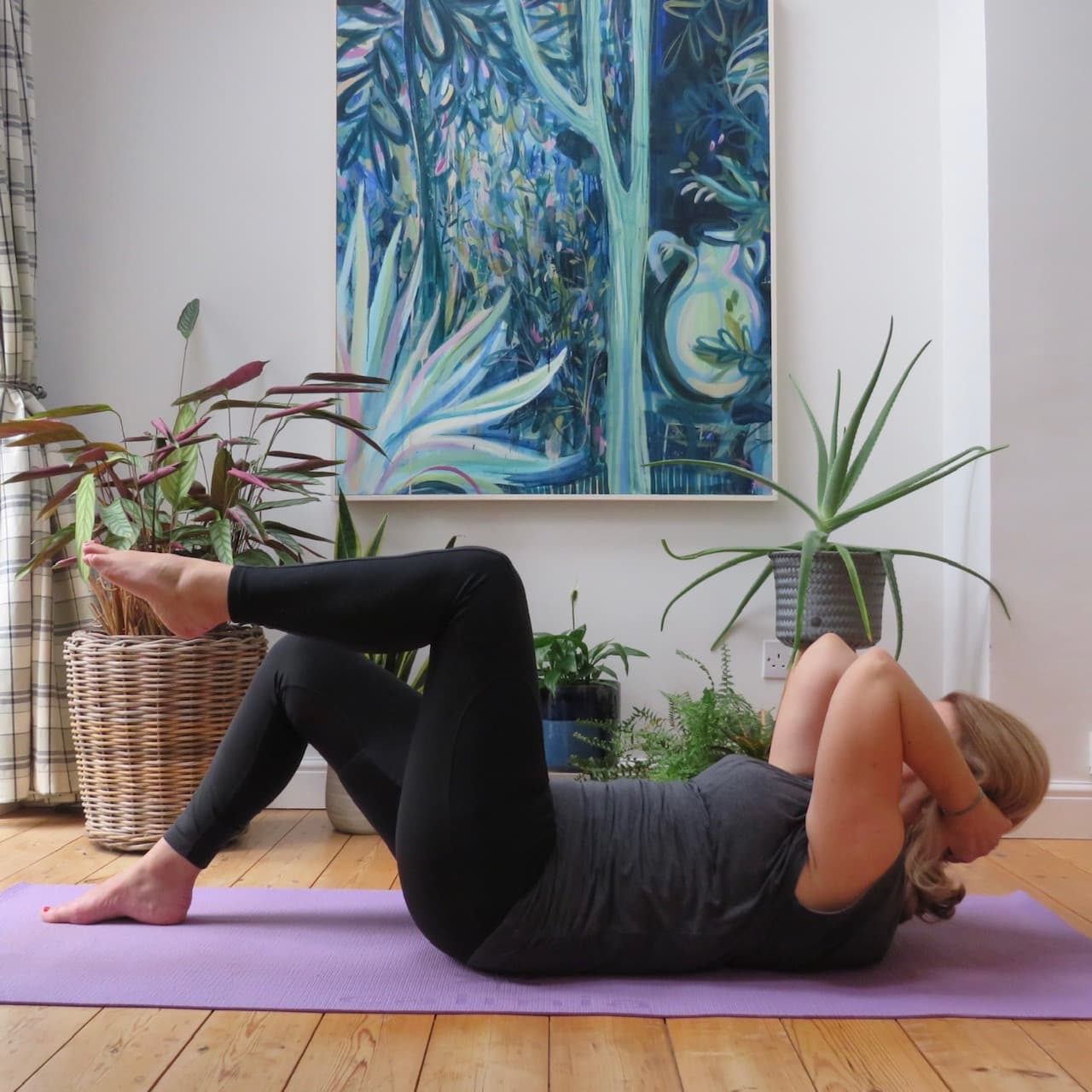
Somatics will increase your sensory abilities, improve your posture and self-use, address tension and pain, and support overall health and wellbeing. It will help you to un-learn those patterns, at a central nervous system level, through a technique called pandiculation (tightening into the contraction, internally sensing the release and using breath work to fully relax).
You will be able to learn how to experience the ease, comfort, agility, and freedom, throughout the whole body, but more fundamentally, rediscover your sense, awareness, and recognition of who you truly are within – reawakening and reconnecting mind, body, and spirit.
All movements are slow, mindful, and mostly done on the floor. They are extremely gentle and ideal for anyone, ranging from children to adults.
‘You may not be able to control all the events that happen to you, but you can decide not to be reduced by them.’— Maya Angelou
Sensory Motor Amnesia (SMA)
“This is a condition in which the sensory-motor neurons of the voluntary cortex have lost some portion of their ability to control all or some of the muscles of the body.”— Thomas Hanna, 1993
It is a functional, rather than structural occurrence whereby a muscle group(s) is no longer under voluntary control and remains chronically contracted. The sensory information from the muscles, via the central nervous system (ascending tracts), is no longer activating the (sub-cortical) brain, in order for the release to take place.
The chronicity of the full or partial muscle contraction may become sore, painful, weak, tiring energetically and reduce coordination. SMA will cause secondary pain, typically presenting and diagnosed as arthritis, bursitis and herniated discs, for example.
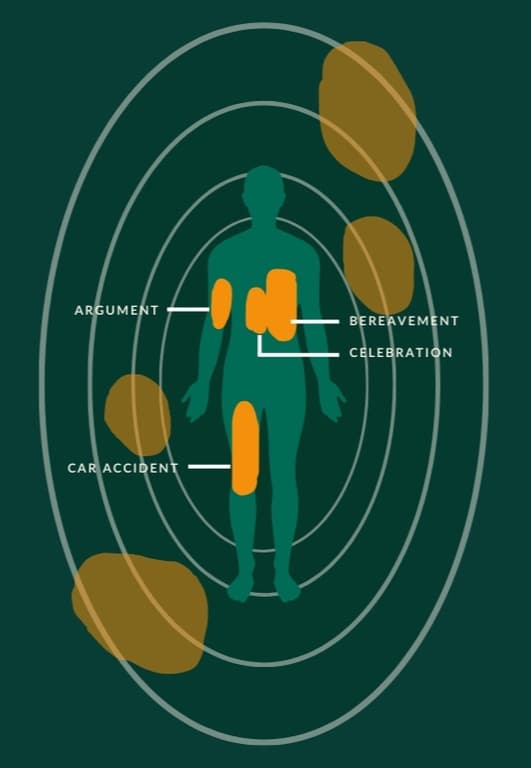
Emotions, stress and trauma can cause a biological and energetic contraction in the body. Over time, if unresolved, this leads to a functional discrepancy in the body and therefore contributes towards SMA.
Allopathic medicine generally misdiagnoses SMA and the treatments are based on third person principles and chemical intervention through the use of pharmaceuticals. This has the potential of causing irritability and side effects, further compounding the functional changes at play.
Pandiculation
The Pandicular Response is the prime sensory-motor method of Hanna Somatic Education®.
When a person loses the functional brain and body coordination to release a muscle or group of muscles fully, part of the muscle remains tight and shortened. Stretching, in this instance, causes the muscle to contract and shorten further, because the innate reflex pattern protects the already shortened muscle.
Pandiculation means doing more of what the body is already doing – tightening our contracted muscles a little more – so that our brains recognise the sensory information being relayed, informing that it is in a tight and shortened state. As we slowly and smoothly release back to a neutral position and repeat this retraining, our brain, nervous system and muscles are able to re-learn a new coordinated and integrated way of functioning. This helps us to resolve old habitual patterns causing reoccurring symptoms.
When we are free to function with ease, we are free to sense, free to self-monitor, self-regulate, self-repair and self-renew. We can acknowledge and honour our intuition from a higher intelligence, to help us make some important decisions and to follow our heart and purpose.
The Three Stress Reflexes
A reflex is an involuntary response, by the brain and body, to an external or internal stimulus.
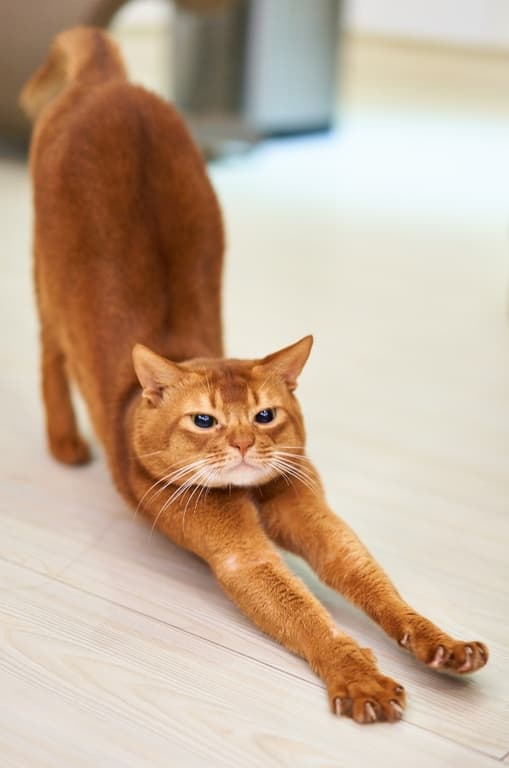
The stresses we experience, in every-day modern life, whether physical, mental, or emotional, are continually triggering three specific reflexes. This can lead to habitual muscular contraction affecting the way we move and feel.
If you have observed babies move and develop, you may recognise some of the patterns.
GREEN LIGHT (LANDAU) REFLEX
Symptoms:
- pain from herniated discs
- neck pain
- shoulder pain
- buttock (glute) pain
- sciatica
Somatics movements to help this reflex pattern:
- Arch and release to neutral
- Flatten and release to neutral
- Recalibrate the pelvis
- Arch and Curl
- Backlift
RED LIGHT (STARTLE) REFLEX
Symptoms:
- chronic neck pain
- jaw pain
- postural kyphosis
- hip pain
- midback pain
- shallow breathing
Somatics movements to help this reflex pattern:
- Arch and release to neutral
- Flatten and release to neutral
- Arch and Curl with Psoas Release
- Flower
TRAUMA (ASYMMETRIC) REFLEX
Reasons this might happen:
- holding a child on one hip
- a fall jarring the lower back
- limping to avoid further injury to a sore ankle or knee
- surgery which tightens the soft tissues
- holding a heavy bag on one shoulder
- playing sports such as tennis or golf requiring repetitive one-sided movement
Somatics movements to help this reflex pattern:
- Arch and release to neutral
- Flatten and release to neutral
- Sidebend
- Hip Hike
- Reach to the top shelf
Four Foundational Movements
Whether you’re here to reduce tension, increase mobility, or simply reconnect with yourself, these foundational movements will start you on a path toward greater body awareness, presence, and coherence.
Guided audio versions of each move are available in the on-demand classes — familiarise yourself with the move first, then practise it with the audio prompts.
On-Demand Somatics
Browse the on-demand somatic movement classes, or book a session with Gayle.