Movement, Meditation, Manoeuvrability and Mitochondria
Movement
We are always told that we ‘should move more’, but why is that?
Many people are concerned with the way they might look, their weight, size, shape and how out of breath they get.
But what are the real reasons we should move?
1. Physical Health - Regular movement helps maintain a healthy weight, strengthens muscles and bones, improves cardiovascular health, and boosts the immune system by helping to move toxins through the lymphatic system to exit the body.
2. Mental Health - Physical activity releases endorphins, which can reduce stress, anxiety, and depression. It also enhances mood and overall emotional well-being.
3. Cognitive Function - Movement increases blood flow to the brain, which can enhance memory, focus, and overall cognitive function.
4. Energy Levels - Regular physical activity can boost energy levels and reduce feelings of fatigue.
5. Sleep Quality - Engaging in regular movement can improve sleep quality and help with insomnia. Deep sleep engages the ‘glymphatic’ system. This is a system that filters toxins and waste from the brain during the night. In the daytime, it is mostly disengaged. Evidence shows that going to sleep at a reasonable hour and sleeping on your side, helps with this process further.

6. Social Connections - Group activities or classes can foster social interactions, reducing feelings of loneliness and isolation.
7. Flexibility and Balance - Movement helps improve flexibility and balance, reducing the risk of falls and injuries, especially as we age.
8. Enhanced Creativity - Physical activity can stimulate creativity and problem-solving skills.
Longevity - A more active lifestyle is associated with a longer lifespan and a reduced risk of chronic diseases.
9. Mindfulness - Engaging in movement, especially activities like Somatics, Yoga, Tai Chi, or Qi Gong can promote mindfulness and help individuals stay present.
Incorporating movement into daily life, whether through structured exercise or simply being more active throughout the day, can significantly enhance overall quality of life.

Meditation
Meditation may offer a wide range of benefits for both mental and physical well-being.
1. Reduced Stress - Meditation may help to lower stress levels by promoting relaxation and reducing the production of stress hormones like cortisol.
2. Improved Focus and Concentration - Regular practice may enhance attention span and cognitive function, making it easier to concentrate on tasks.
3. Emotional Health - Meditation may lead to improved mood, increased emotional resilience, and reduced symptoms of anxiety and depression.
4. Better Sleep - It may help improve sleep quality by promoting relaxation and reducing racing thoughts. The glymphatic system is then able to filter toxins from the brain.
5. Enhanced Self-Awareness - Meditation encourages greater self-reflection and awareness, helping individuals understand their thoughts and emotions more clearly.

6. Pain Management - Mindfulness meditation has been shown to reduce perceptions of pain and improve coping strategies for chronic pain.
7. Increased Creativity - It can foster creative thinking by allowing the mind to relax and explore new ideas without judgment as well as improving intuition.
8. Lower Blood Pressure - Meditation may help lower blood pressure, reducing the risk of heart disease.
9. Greater Compassion and Empathy - Certain types of meditation, like loving-kindness meditation and gratitude, promote feelings of compassion towards oneself and others.
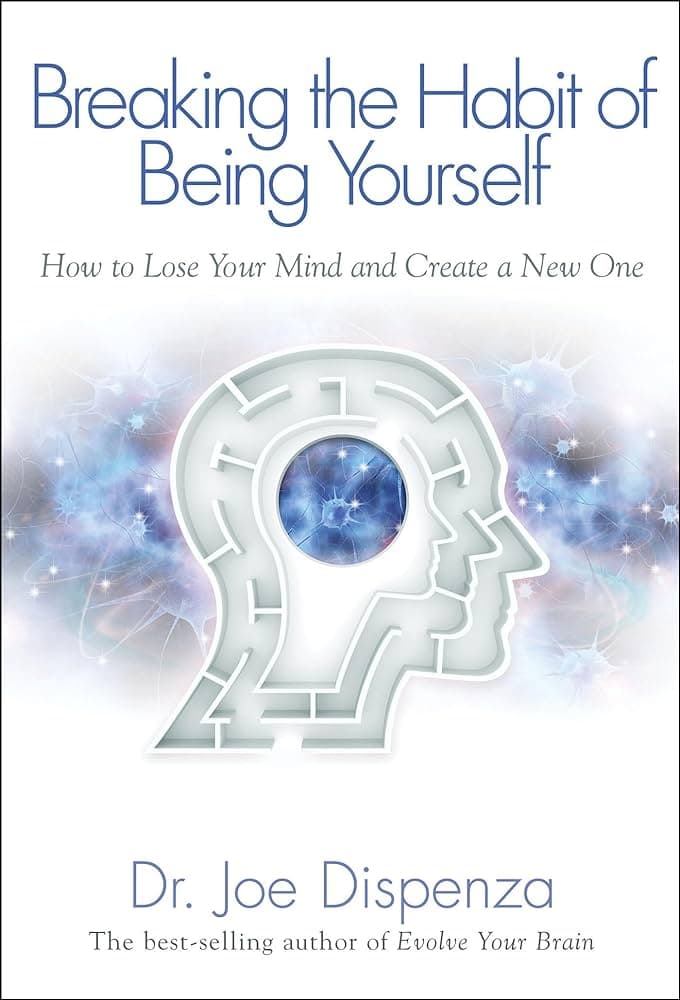
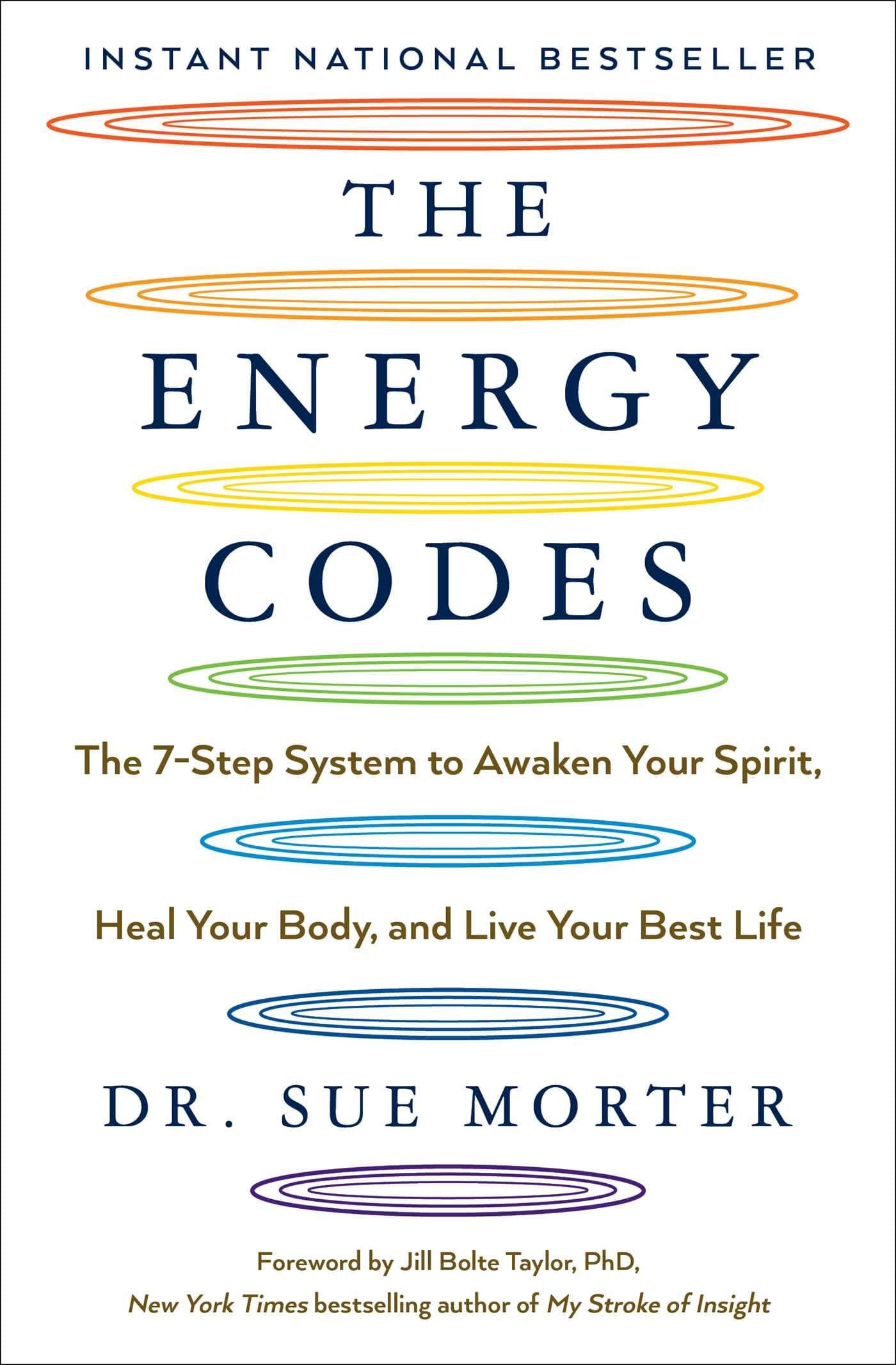
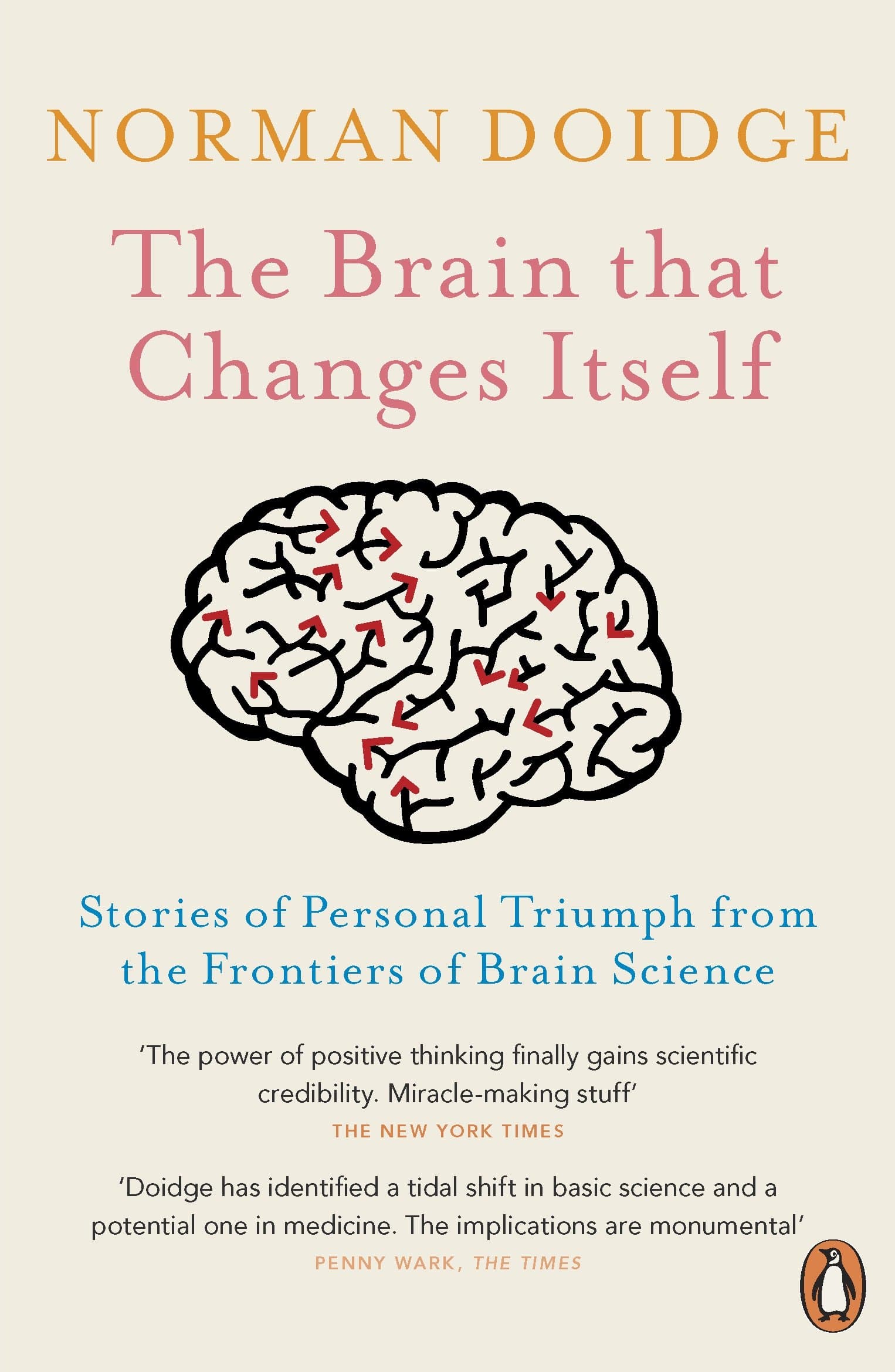
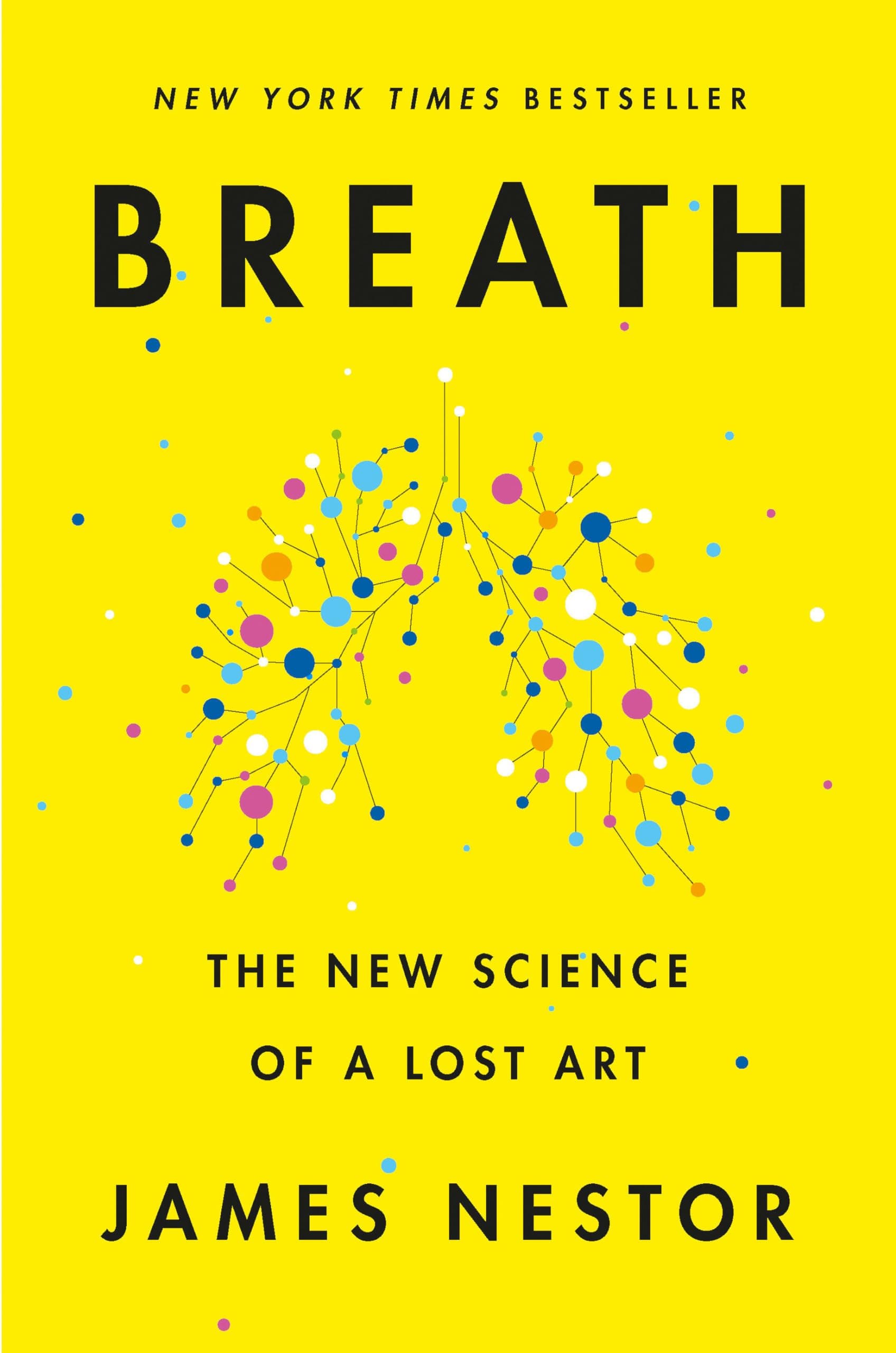
Meditation often involves breathwork, the benefits of which are supported by a huge body of evidence. James Nestor has a useful bibliography for anyone wishing to explore this further.

Supporting Evidence
Manoeuvrability
To ‘manoeuvre’ to meet the ever changing internal and external environments, is crucial for our nervous systems to have a flexible and wide window of tolerance.
If we think about a tree, with its sturdy roots in the ground, strong trunk and canopy that can bend and sway in the wind, what do we notice?
The trees that can bend and manoeuvre the most, remain standing. Those unable to adapt to change, break.
There is an ancient wisdom by Lao Tzu that a strong wind may topple the sturdy oak, but the willow bends and lets the wind pass through.
Life sends plenty of challenges our way, an unkind person, unexpected hardships, losses, grief, and difficult changes.

“The measure of intelligence is the ability to change” Einstein
Einstein’s views on adaptability and change highlight the importance of flexibility in thought and action.
He believed that to thrive in an ever-evolving world, one must be open to new ideas and willing to change one’s perspective.
In his scientific work, he demonstrated this adaptability by challenging established norms, through his theory of relativity, fundamentally altering our understanding of space and time.
Einstein also emphasised the value of curiosity and imagination, arguing that these traits enable individuals to navigate change more effectively.
His legacy, which is just as relevant today, and encourages embracing change as a necessary part of progress, both in science and in life.

Mitochondria
Mitochondria are often referred to as the ‘powerhouses’ of the cell. This is where our food, which has been digested down, creates an ‘energy currency’.
Mitochondria play important roles in how our cells function:
1. Metabolism: They are involved in the metabolic pathways that convert nutrients into energy.
2. Apoptosis: Mitochondria can release factors that trigger programmed cell death. One purpose of apoptosis is to eliminate cells that contain potentially dangerous mutations. If a cell’s apoptosis function is not working properly, the cell can grow and divide uncontrollably and ultimately create a tumour. Therefore, it is essential to have optimal mitochondria to allow apoptosis to take place.
3. Calcium Storage: Mitochondria help to regulate calcium levels within cells, which in turn helps to maintain the proper functioning of the cell. Given the information above about energy delivery and eliminating dangerous mutations, optimal mitochondria function and therefore calcium are essential.
4. Heat Production: In some cells, mitochondria can generate heat, a process important for maintaining body temperature.

Signs and Symptoms of Mitochondrial Dysfunction:
- Fatigue
- Weakness
- Metabolic strokes
- Seizures
- Cardiomyopathy
- Arrhythmias
- Developmental or cognitive disabilities
- Diabetes mellitus
- Impairment of hearing and vision
- Growth, Liver, Gastrointestinal or Kidney dysfunction.